
REU Projects
The research activities of the LA-SiGMA are organized into three Science Drivers (SD) and the CyberTools and Cyberinfrastructure (CTCI) group:
- SD1: Electronic and Magnetic Materials
- SD2: Materials for Energy Storage and Generation
- SD3: Biomolecular Materials
- CTCI
These are broad, and sometimes overlapping, areas where faculty from diverse departments (Mathematics, Computer Science, Physics, Civil Engineering, Petroleum Engineering, Mechanical Engineering, Electrical and Computing Engineering, etc.) collaborate in multidisciplinary projects. Our REU students will learn how to use some of the nation's largest supercomputers, may participate in the setup and management of large-scale simulations, and may take on an important role in the analysis and visualization of the simulation results.
Projects in which REU students can participate are listed under the "Proposed REU Student Projects" section. Below, you can also click on each SD or CTCI to learn more about the research and faculty involved. For an extended version of the research being done, please take a look at LA-SiGMA's research program and the LA-SiGMA projects' page.
-
Proposed REU Student Projects
-
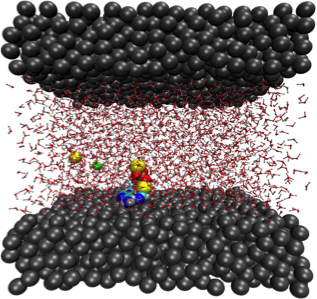
LAMMPS on GPUs for Biomaterial Transport [Dimitris Nikitopoulos, Dorel Moldovan (LSU)]. Graphics Processing Units (GPUs) are
pervasive in computer gaming environments
but also provide a relative inexpensive platform for fast highly parallelized scientific computation.
The objective of this REU project is to go through the necessary implementation steps to run LAMMPS on GPUs,
and solve a simple test problem of transport of a bio-molecule in an aqueous environment. Since implementation of LAMMPS,
which is a very widely used code for Molecular Dynamics Simulation, on GPUs is still in the development stage, performance
and other technical issues still need be evaluated. Part of the effort of the student in this project will be directed to
collecting data facilitating this evaluation based on the test problem. The REU student will have the opportunity to interact
with a graduate student and a post-doctoral associate in addition to faculty and some members of the LAMMPS development team
at Sandia National Labs. The bio-molecule transport test problem is highly relevant to bio-medical applications such as drug
delivery and bio-analytical diagnosis.
Ab-initio, Predictive Calculations for Optoelectronic and Advanced Materials Research [Diola Bagayoko (SUBR)]. Physics could be defined as "the branch on science dealing with fundamental forces of nature and the motion and properties of matter-energy in space-time." Several important equations of physics pertain to energy in one form or another. Practical properties of materials (molecules, nanostructures, semiconductors, etc.) strongly depend on the energy levels of the electrons in them. This Summer Research Experience for Undergraduates (REU) is focused on various aspects of determining the electronic energies of materials and related properties for applications (i.e., in the design and fabrication of devices). Specifically, REU scholars involved in this project will experience several aspects of this work, including extensive computations, online literature search, the reading of selected articles, the preparation of presentations and, possibly, of publications. The scope and depth of the involvement of a scholar in the diverse research tasks will be partly determined by her/his classification (i.e., taking into account the courses already taken).
Synthesis routes of some half-metallic rare earth transition metal oxide nanoparticles and nanomaterials and investigation of their magnetic and transport properties [Laurence Henry (SUBR)]. Synthesis routes have significant importance in tailoring nanoparticles and nanostructured materials to have specific desired physical properties. Our research investigates synthesis routes to obtain desired electric and magnetic properties in half-metallic rare earth transition metal oxide nanoparticles and nanostructured materials. Nanocrystals and nanocrystalline materials having different chemical compositions will be synthesized by a variety of synthesis routes. Then structural and composition characterization techniques will be used to determine crystal quality based on desired structure and composition requirements. Specific samples having the desired qualities of structure and composition will be selected to undergo magnetic and charge transport properties characterization. The characterization results will be analyzed and the information that is gained used to adjust the synthesis routes to optimize achieving the desired electric and magnetic properties. Student participation in the project, especially that of African-American students, will be strongly encouraged. This is especially important since African-Americans are poorly represented in the physics/materials science areas and their participation in the project may encourage interest to pursue those directions.
Healing-on-demand composite for hydrogen storage and transportation [Guoqiang Li (SUBR)]. The objective of this research is to understand and develop a novel healing-on-demand composite so that it would be used for storage and transportation of pressurized hydrogen using pipeline and storage tank, and would heal structural-length scale damage and leaking autonomously, repeatedly, efficiently, timely, and molecularly. This will be a shape memory polymer (SMP) fiber reinforced thermosetting polymer composite dispersed with thermoplastic particles and percolated multiwalled carbon nanotubes. We are looking for highly motivated undergraduate students who are interested in materials science and energy storage and transportation. It is expected that the undergraduate student(s) will team up with graduate students in a well equipped composite materials and structures lab. The work for the undergraduate student(s) include understanding the science behind the proposed research and gaining hands-on experience and skills in terms of materials selection, characterization, specimens preparation, experimental testing, and thermomechanical modeling.
Molecular Dynamics Simulation on Core-Shell Copper/Carbon Layers and Ligand/ Protein Interaction [Shizhong Yang (SUBR)]. The core-shell structure of copper nano-particles covered by carbon layers has shown potential for fuel cell, corrosion protection applications. Coating copper nano-particles with a carbon layer appears to protect the copper against oxidation, while allowing the copper nano-particles to retain useful properties. We will perform molecular dynamics simulation on the copper atoms/cellulose segment models to study the core-shell nano-particle formation and properties at oxygen and water environment. In the meantime, we will test and optimize the efficiency of the HPC simulation on the LONI machines. We will also perform ICM docking and molecular dynamics simulation on ligand/protein systems using force field based molecular dynamics method to elaborate the ligand/protein interactions. The results will assist us understanding the binding and dissociation progress at atomic level.
Phase Contrast X-ray Imaging of Intact Batteries [Les Butler (LSU)]. An experimental project by Butler (LSU) is developing synchrotron X-ray interferometry to image intact, commercial batteries during dis/charge cycling. Prior work used neutron attenuation which can reveal internal structures due to battery wear. However, X-rays are likely to yield higher resolution images at a faster data rate, provided a contrast mechanism can be established. Generally, it is difficult to image low atomic number elements such as lithium in the presence of dense, high atomic number structures such as the copper metal electrode. Therefore, we are exploring the X-ray interferometry as a route to differential phase contrast and dark-field images of an intact battery.
Experimental exploration of novel magnetic materials [John DiTusa (LSU)]. This REU research in experimental materials science and condensed matter physics will expose students to the development and characterization of novel materials, including magnetic semiconductors, complex oxides, and nanomaterials. An REU student could work on synthesis of new intermetallic superconductors, thermoelectrics, and magnetic materials and measure their physical properties at temperatures near absolute zero and in high magnetic fields. Other projects involve in the synthesis and low temperature characterization of low dimensional correlated electron systems.
Strongly Correlated electronic systems [Mark Jarrell, Juana Moreno (LSU)]. This project is motivated, in part, by a variety of complex emergent phenomena, including high-temperature superconductivity and quantum criticality. These correlated materials form the basis of future high-tech devices and their proper theoretical understanding is paramount for technological progress. Interest is also driven by the rapid development of new computational approaches to simulate the many-body problem.
Accelerated Physics and Chemistry codes using GPU (Graphics Processing Unit) [Mark Jarrell, Juana Moreno (LSU)]. The student will have access to a new GPU cluster and would work with faculty in Physics, Chemistry, and Computer Science to implement simple GPU accelerated calculationsin OpenCL, CUDA, or with code written with PGI compilers.
Development and testing of molecular interactions to model hydrophobic solubility [Hank Ashbaugh (Tulane)]. The molecular-level assembly of materials is driven in large part by the varying solubilities of the constituent groups on a solute. Micelles, for example, are formed by the aggregation of the oily hydrophobic tails of soap molecules in a effort to minimize their contact with water while exposing their polar hydrophilic head groups exposed to the solvent. Such interactions play a significant role not only in micellar assembly, but protein folding and the assembly of drug carriers to name just a few examples. We are interested in the development and testing of new interaction potentials for use in simulations of oil solubilization and ultimately the assembly of biomolecular materials. Students involved in this project will analyze free energies, enthalpies, entropies, and volumes of hydrophobic hydration using molecular dynamics simulation. The results from this research will guide the development of new interaction potentials for use in the molecular design of drug delivery vehicles.
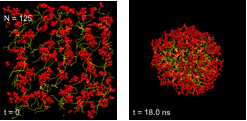
Molecular dynamics simulation study of self-assembly of Span 80 micelles [Dorel Moldovan (LSU)]. Surfactant molecules are important in a large variety of processes such as: biological, as in carrier structures of molecules across cell membranes; commercial, as in detergents and stain removers; and food industry, as in emulsifiers. In this project, using a realistic all-atom inter atomic interaction model, we will perform large-scale molecular dynamics simulations of Span 80 (sorbitan monooleate) surfactant self-assembly in water at concentrations above the critical micelle concentration. The ultimate goal of this study is to develop an atomistic understanding of the mechanism of surfactant aggregation into micelles. Throughout the duration of the project the students will be introduced to the basics of using GROMACS simulation package and the visualization software VMD.
Parallel Finite Elements on Unstructured Meshes Using PETSc and Sieve [Blaise Bourdin (LSU)]. In the sequential implementation of finite elements, most of the assembly operations can be performed at the local level, that is while considering only restriction of global basis function to a current element. A global assembly is then performed using a local to global pointer, or connectivity table. In the case of a parallel implementation in large distributed memory clusters, the computational mesh is partitioned, its nodes and elements are renumbered and ownership of the degrees of freedom associated to each subdomains are claimed by separate processors. From an implementation perspective, one now has to deal with three node numbering schemes (at the element, subdomain, and whole domain levels), and explicitly manage communication at the subdomain interfaces through ghost points.
In the Sieve subproject of PETSc (http://www.mcs.anl.gov/petsc), sequential and distributed meshes are represented by a four level graph (vertices, edges, faces, and cells). All operations are performed at the most local level, and the various ordering schemes are taken care automatically through the concept of restriction and update operations.
Although several high performance distributed codes are currently using Sieve, there are no proper tutorials and proper examples available. The goal of this internship is to construct such material. The intern will start from basic sequential finite element codes in C and Fortran, and parallelize them using Sieve. The necessary steps will be documented and will form the core material of a research article, and of a set of online tutorials. The intern will work closely with B. Bourdin at LSU and M. Knepley at the University of Chicago, and will have access to some of the world largest supercomputers at the Texas Advanced Computing Center (TACC).
Single crystal growth and characterization of bilayered ruthenates [Zhiqiang Mao (Tulane)]. Our long-term research goal is to seek for novel quantum phenomena in strongly correlated materials, investigate their underlying physics, and explore their applications. Our current research focuses on perovskite ruthenates. Perovskite ruthenates exhibit a rich variety of fascinating ordered ground states, such as spin-triplet superconductivity, metamagnetic quantum criticality, itinerant ferromagnetism, antiferromagnetic Mott insulating state, and bad metal. The close proximity of these exotic states testifies to the delicate balance among the charge, spin, lattice and orbital degrees of freedom in ruthenates, and provides a remarkable opportunity for observing novel quantum phenomena through controlling external stimuli and for potential applications. This Summer Research Experience for Undergraduates (REU) is focused on single crystal growth and characterization of bilayered ruthenates. Specifically REU scholars will be trained to grow Ca3(Ru1-xMx)2O7 (M=Ti and Mn) single crystals using a floating-zone method and measure electronic and magnetic properties of these crystals. The objective of this research is to clarify the mechanism of Mott-insulator transition induced by Ti and Mn doping.
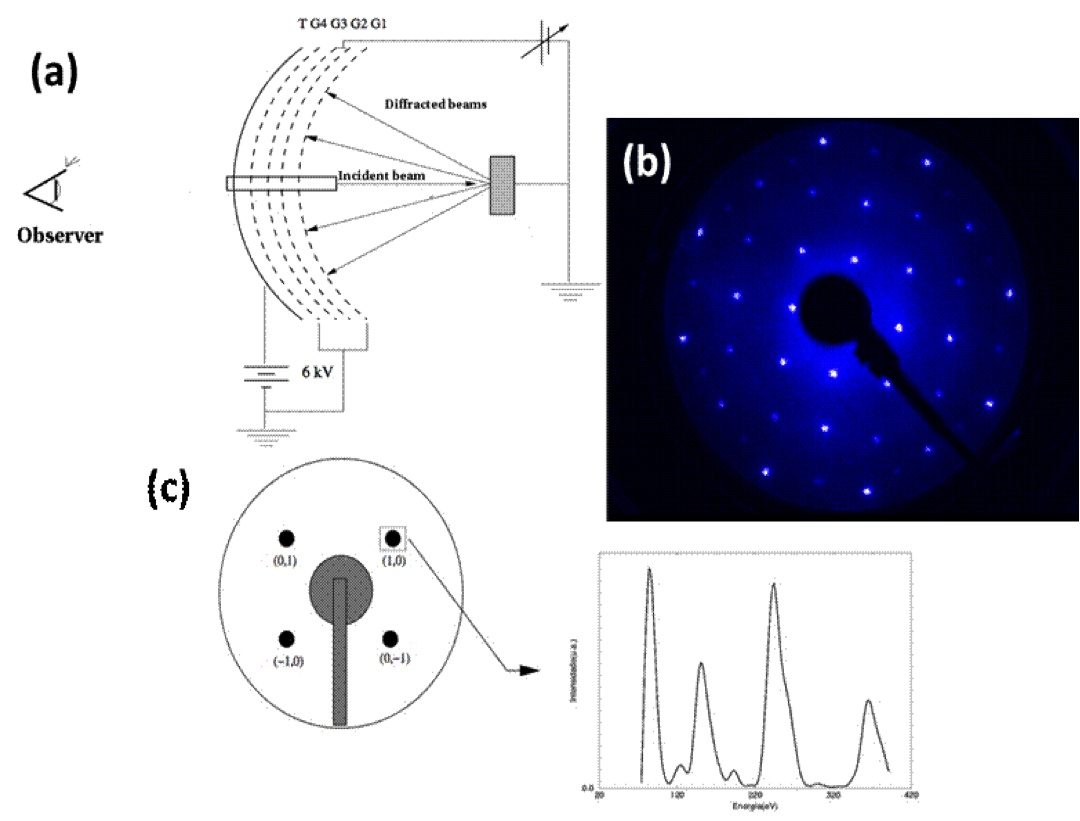
A User-friendly Novel Tool for Effective Analysis of Experimental Electron Diffraction Data [Ward Plummer, Von Nascimento (LSU)]. The Low Energy Electron Diffraction (LEED) technique is a very reliable method for surface structure determination. The incident low energy electrons strongly interact with the atoms in the surface layers, drastically reducing the penetration depth of the probing electrons and consequently turning the technique very surface sensitive. The presented figure schematically shows the basics about the LEED experiment. Probing low energy electrons reach the sample (crystal surface) and are backscattered (a). The four metallic grids (G1,G2,G3,G4) will act as a filter and select only the backscattered electrons with the same energy of the incident beam (elastically scattered). These selected electrons will reach a phosphorescent screen where the diffraction pattern will be visualized. In (b) an actual electron diffraction pattern for the (001) surface of the bilayered Sr ruthenate can be seen. By experimentally collecting the intensity of the diffracted spots (c) as a function of energy, one is able to obtain the so-called I(V) curve. The I(V) curves for different scattered spots will contain all the information about the position of the atoms at the topmost surface layers. These experimental I(V) curves will be quantitatively compared to theoretical ones and the structure determination will be performed in an indirect way. The usual procedure adopted during the collection of LEED experimental data consists on not directly collecting the I(V) curves during the experiment, but to just acquire images of the diffracted patterns obtained at different energy values [like presented in (b)] . The images are captured by a special type of camera and the experimental data (set of images) is stored in a regular computer. The process of extracting the experimental I(V) curves from the images (c) is further performed.
This project will focus exactly on this last step of LEED experimental data acquisition, i.e., processing the collected images in order to obtain the I(V) curves. Our goal is to develop a new program to effectively collect the intensities from the digitized diffraction patterns in order to obtain the I(V) curves and perform their final processing (smoothing, average and normalization with incident electron current). The final I(V) curves, as processed by our new software, will be ready for comparison with theoretical modeled ones, during the structural determination process.
Carbon Nanotube based Energy Storage Devices [Lawrence Pratt, Noshir Pesika (Tulane)]. With the development of electric vehicles, there is a need to find energy storage devices capable of storing high energy densities (i.e. large amounts of energy per volume of material). The aim of the project is to characterize the use of carbon nanotube arrays as electrodes in supercapacitors and to optimize the fabrication of the supercapacitors to maximize their energy storage capabilities. Carbon nanotubes are excellent candidates due to their superior electrical properties as well as the fact that they provide high surface areas per volume. Both, experimental as well as theoretical studies will be conducted.
Managing Many High Performance Simulations with an Emphasis on Biomolecular Dynamics Simulations [Thomas Bishop (LA Tech)]. Want to use the nation's fastest supercomputers? Want to use them all or maybe just a few of them all the time, anytime, anywhere? The "Execution Management Team" is developing tools that make such usage modalities common rather than heroic efforts. For this purpose we have developed "ManyJobs" (http://dna.engr.latech.edu/ManyJobs/) and "BigJobs" (http://saga.cct.lsu.edu/projects/abstractions/bigjob). Each has its own strengths and weaknesses. Both have been employed to manage 1000's of simulation tasks in which each task is itself a high performance computing event requiring from 32 to 256 processors. The purpose of this REU is to extend the functionality of these tools to help any LASiGMA researcher more effectively utilize the LONI resources (a network of distributed supercomputers), local resources (their own clusters), national resources (BlueWaters, Kraken, Lonestar...), or whatever computational resources they have access to. A contributing member of this REU can potentially interact with any of the LASiGMA researchers, i.e. work with other REU students or PI's to help them run their simulations using the ManyJobs and/or BigJobs task management tools.
Of course we also have our own set of 1000's of Biomolecular simulations and analysis tasks that we seek to execute. Our particular simulations involve molecular dynamics studies of a biomolecular complex called the nucleosome. The nucleosome is a protein-DNA complex in which the DNA is folded by the protein from the double-helix structure as described by Watson and Crick into a superhelix. We have developed an award winning interactive chromatin modeling webserver (http://dna.engr.latech.edu/icm) and molecular visualization tools (http://dna.engr.latech.edu/vdna) to assist us in our analysis. This is truly interdisciplinary research so there are various ways of contributing to this research experience. Depending on your interest and expertise you may be coding in phython, C/C++, php, tclsh or other shells, performing molecular visualizations (http://dna.engr.latech.edu/~bishop/Movies/ ), conducting mathematical &/or statistical analyses, running molecular dynamics simulations, developing bioinformatics metrics, or any combination of these. And that's just in our lab. If you work with other LASiGMA researchers you may have additional opportunities.
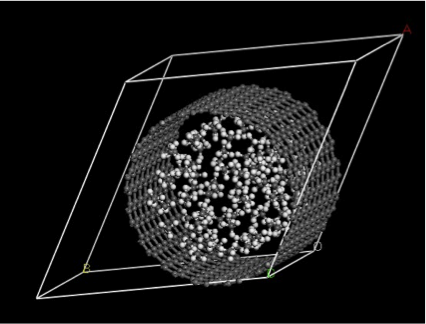
Controlled Release of Nanoparticles from Tubular Structures [Pedro Derosa (LA Tech)]. Many interesting applications have been designed and developed using nanotubes. Applications like the selective delivery of anti-cancer drugs to specific cancer cell types, self-healing composites, and the prolongation of rust coatings on metal surfaces in extremely hazardous environments, require the controlled diffusion of molecules. Several methods have been proposed to make self-healing composites, including self-healing induced by mechanical stimulation, such as filled hollow glass fibers, microcapsules and microvascular networks most often containing healing agents that react with catalysts in the matrix or viscoelastic ionic polymers that reseal after a ballistic puncture. In this work computer simulations will be used to predict the diffusion rate and release rate of nanoparticles, initially contained in nanotubes, as a function of different physical parameters, such us molecule's size and charge, nanotube length, radius and surface charge. Two main type of nanotubes will be considered, carbon nanotubes and clay nanotubes.
Surface Complexation and Colloidal Stability of Metal Oxide Nanoparticles [Galina Goloverda, Vladimir Kolesnichenko (Xavier)]. Can you imagine a metal or sand dissolved in water? That's right, some things, particularly metals, are insoluble in common solvents; they can only dissolve by reacting with some solvents. Water is a good reagent/solvent only for alkaline and alkaline earth metals that undergo oxidation to form aqueous solutions of the corresponding hydroxides.
In 1847, Michael Faraday was working with aqueous solutions of gold salts and discovered that reduction of these salts not always produce a bulk metallic gold in solid state, but red solutions form instead. He recognized that these solutions still contain the metal, but in a new special form which we now call "colloid". Term "colloid" is used for mixtures with the "solute" particle size ranging from 1 nanometer to 1 micrometer. This means that particles at the lower size end can be as small as some large molecules, but particles at the higher size end can exceed the wavelength of visible light.
Nowadays colloids of many insoluble substances are known, but their preparation requires some special techniques and tricks. One of the most effective routes, is to wrap the colloidal particles (also called nanoparticles) into a layer of highly soluble organic compounds. The resulting adduct might become soluble, if the organic component is attached tightly enough to the particles' surface.
Water-"soluble" colloidal particles can be used in biology and medicine as imaging and delivery agents. Imagine if a drug molecule is attached to the same colloidal particle, but it is slowly released after the whole assemblage arrives to the right place?
Students will learn in this project how to do surface and colloidal chemistry manipulations involving iron oxide nanoparticles and water soluble organic compounds, how to prepare and characterize the colloidal adducts.
Explore Scientific Applications with Accelerator Hardware [Mark Jarrell, Honggao Liu, Juana Moreno, Ram Ramanujam, Zhifeng Yun (LSU)]. Moore's law predicts that computers will double in power or transistor count roughly every two years. For the last two decades, Moore's law has become manifest in multicore and massively parallel computing, and more recently in the use of Graphics Processing Units (GPUs) as the main computing workhorse. The research topic of this summer work will be to explore scientific applications on accelerators, such as NVIDIA GPUs and other heterogeneous many-core architectures including Intel MIC. The student will develop hardware accelerated scientific codes on heterogeneous systems that will be used for new discovery on the next generation supercomputers. The student will join the GPU team, which is an interdisciplinary team of researchers in Computer Science and Engineering, Physics, Chemistry, Biology, and Chemical, Mechanical, and Electrical Engineering, and have the opportunity to work in partnership with students, postdocs, and faculty of these areas.
Development of New Approaches for the Simulations of Materials and Biological Systems [Steven Rick (UNO)]. Atomistic computer simulation is a powerful method for understanding and predicting the properties of matter. Such simulations require a force field, a mathematical description of the interatomic interactions. In order to be useful for large systems, these force fields need to be relatively simple as well as accurate. Our work force field development is currently in two areas. First, we are interested in the supercapacitors as a method for energy storage. These materials are built from carbon nanotubes aligned in parallel on a solid surface ("nanotube forest") with an electrolyte solution surrounding the nanotubes. We are currently optimizing force fields for these systems, through a comparison of experiment and high level theory data. Applications of our models to these systems is ongoing. The second area involves the development of a new class of force fields which include charge transfer. The transfer of small amounts of electronic density from one atom or molecule to another has long been shown to be an important component of interparticle interactions, but these effects are not typically not treated in force fields. We have developed an efficient method for treating charge transfer and are developing these models for ions, aqueous systems, and proteins.
Micromagnetics Simulation of Magnetic Nanostructures for Nonvolatile Memory Applications [Leonard Spinu (UNO)]. Magnetization dynamics is one of the central issues in the physics of mesoscopic magnetic systems and its understanding is important not only for its evident fundamental interest but also due to the big impact on the information technology, more specifically on magnetic information storage. Magnetic recording is rapidly approaching the nanometer scale as storage densities are projected to increase to a terabit per square inch. High volume of data requires higher data transfer rates. These present new challenges and opportunities in nanometer scale materials engineering and in understanding the magnetic properties of nanometer scale magnetic materials. Among the critical issues is the manner and speed which the magnetization direction can be reversed from one stable configuration to another. Also, for the Magnetoresistive Random Access Memory (MRAM), unlike present forms of nonvolatile memories, they must have switching rates and rewriteability properties surpassing those of conventional RAMs. This can be achieved only by first understanding and then controlling the magnetization dynamics of very confined magnetic elements. This summer research project focuses on investigating the magnetization dynamics in confined magnetic structures in the nanosecond range (0.1 ns to 100 ns) by micromagnetic simulations. The theoretical background of spin dynamics on the nanosecond range is provided by the Landau‐Lifshitz‐Gilbert equation. LLG formalism can explain the temporal evolution of magnetization and is the basic tool for both time‐domain and frequency‐domain experimental data analysis. During the summer research project the summer interns will use the LLG Micromagnetics Simulator commercial software to design and simulate the magnetization dynamics in several nanosized magnetic systems as discs, rings, and nanowires in different configurations which are relevant for nonvolatile memory technologies. By the end of this project the interns will gain fundamental practical and theoretical knowledge in computation techniques, magnetism and magnetic characterization methods.
Bending and Twisting of Multilayered Micro‐origami Patterns [Leszek Malkinski (UNO)]. Undergraduate student or high school teacher will perform computer simulations of deformation of strained multilayered film patterns. Variety of 3‐dimensional microobjects and be formed by bending and twisting of multilayered film structures depending on the choice of constituting materials, the thickness of the layers and the shape of the patterns. In addition the effect of the convoluted shape on magnetic properties will be studied. These structures have potential applications in multifunctional sensors and in micro‐electro‐mechanical systems (MEMS). Commercial multiphysics sotfware COMSOL will be used for the simulations. Some background in mechanics and basic computer skills are appreciable in this project.
Catalysts for Liquid Fuel Generation [Ramu Ramachandran, Collin Wick, Daniela Mainardi (LA Tech)]. We will use computational methods to study the catalyst materials and reactions involved in the conversion of gaseous fuels (carbon monoxide, hydrogen, methane) to liquid fuels. Many reactions are involved, such as Fischer-Tropsch, water gas shift, and steam reforming. Our investigations are motivated by experiments in progress at Louisiana Tech University with different classes of nanostructured catalysts. We will work in collaboration with the experimentalists to help understand the catalysis mechanism and help improve the catalytic material properties. These include the catalysts made out of cobalt and iron, and specific investigations with both of them to understand how they work together to enhance catalytic properties and fine tune their ability to create certain fuel byproducts. The computational methods we will use include density functional theory in periodic systems using one of the following computational software: VASP and CASTEP.
New Battery Electrode Materials for Rechargeable Lithium Ion Batteries [Collin Wick, Ramu Ramachandran (LA Tech)]. We will carry out computational investigations of a new class of nanostructured electrode materials for lithium ion batteries which show significantly higher capacity than current materials. This work is in collaboration with experimentalists at Xavier University, who have synthesized, characterized, and evaluated the performance of some of these materials. The main computational tools we use are based on density functional theory, applied to nanoparticles, crystal lattices, and surfaces. We will investigate the oxidation and reduction of lithium on these materials. This will include determining the voltages associated with electrode reactions, and the lithium adsorption capacity of the electrode materials. We will also determine how the electrode structure changes due to these reactions, and whether such changes are responsible for performance degradation in some of these materials. We will look at different materials to determine which ones have the most optimal properties.
Nitrogen Oxides Sensors for Diesel Vehicle Exhaust Applications [Daniela Mainardi, Erica Murray (LA Tech)]. Nitrogen Oxides (NOx) exhaust gas sensor systems are relevant for evaluating exhaust constituents on-board vehicle, regulating the engine operation, and conserving fuel and satisfying emissions standards. Currently challenges are associated to achieving greater selectivity, sensitivity, and accuracy, overcoming performance trade-offs, and simultaneous multi-gas sensing. The aim of this work is to understand the role of porous yttria-stabilized-zirconia (YSZ) nanostructures as NOx sensors. We will use computational modeling techniques to investigate the kinetics and thermodynamics of NOx reactions on YSZ. Additionally, YSZ sensors varying in porosity will be tested for a 600 – 700°C temperature range in dry and humidified gas environments.
NOx Sensor Project [Weizhong Dai, Erica Murray (LA Tech)]. NOx sensors are electrochemical sensors commonly used in vehicle exhaust systems to monitor air pollutants. Recent research indicates that the microstructure of the sensor components directly impact NOx sensing behavior. Studies show that sensors with a porous electrolyte provide ionic transport and gas diffusion pathways that can hinder or promote NOx sensitivity. The mechanisms that govern such pathways require greater understanding, in order to maximize sensor sensitivity to NOx. In support of this research, the REU project will address such mechanisms by modeling the electrical response of NOx sensors with various porous electrolyte microstructures. The modeling studies will explore the effect of thickness, porosity, and distribution of ionic conducting particles within the electrolyte on the NOx sensing response. The aim of this research is to determine the morphology and microstructure of the electrolyte that promotes NOx sensitivity for automotive gas sensing.
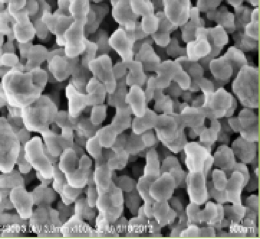
Typical SEM image of porous YSZ microstructure
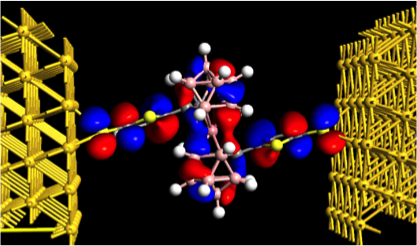
Study of the Electrical Transport in Polymers Containing Metallo-Carborane Cages [Pedro Derosa (LA Tech)]. Electrical transport in molecules depends on the delocalization of orbitals (conduction channels) around the molecule, and the extension of those orbitals into the electrode. Delocalized orbitals that extend into the electrodes will lead to high current. When charges are transported in conductive polymers, the charges find orbitals that will not extend from electrode to electrode and then they have to hop from region to region in the polymer. The addition of especial atomic groups, intercalated in conductive polymer chains is found to extend the conjugation length (the range an orbital is delocalized) and thus help increase conductivity. One type of insert that is of interest are the carborane cages. Carborane cages C2B10H12 form an icosahedral structures and are stable. A metal atom in the center between two of these cages is expected to highly affect the electronic and magnetic properties of the compound. In this work we study the effect of those metal atoms in the charge transport in this system. In this project you will be testing the effect of different atoms, Fe, Co, Ti, etc and of their magnetic state, in the conductivity of these molecules and making predictions on the relationship between the magnetic and the electric states.
Sign Learning Kink Path Integral Method [Mentors: Frank Löffler, Juana Moreno, Mark Jarrell (LSU)]. Exact solution of the Schrödinger equation for atoms, molecules, and materials is hindered by numerical difficulties associated with the notorious "sign problem". This project will use a novel algorithm that "learns" as a Monte Carlo simulation progresses and eventually the learned information is used to overcome the sign problem. The summer project will focus on exactly solving the Schrödinger equation for a number of molecules. The student will learn how the computer can be used to implement modern methods in Chemistry and become part of an interdisciplinary team of researchers.
Computational Chemistry Methods to Address Materials Science Problems [Mentor: Dhruva Chakravorty (UNO)]. Research in the Chakravorty group focuses on providing a structural and energetic basis for the development of design-strategies for technologically significant materials such as energy storage devices, superconductors, and magnetoresistive materials. While some projects in the group utilize existing computational chemistry methods, others require developing new approaches to help answer materials science questions. The first project involves working on novel enzymatic biofuel cells containing glucose oxidase, an oxidoreductase enzyme, that helps convert chemical energy directly into electrical energy. We are particularly interested in improving the electron transfer rate in fuel cells by constructing enzymatic electrodes, which have direct electron transfer between the redox center in the enzyme and the electrode support. A second project in our group involves developing computational chemistry approaches to simulate the effect of building metal-nonmetal "interlayers" on the electronic properties of an existing perovskite structure. A third project involves the study of bio-inspired porous metal-organic frameworks (MOFs) that can chemical catalyze reactions. In this work we will build classical and polarizable metal ions force fields coupled with ab initio molecular dynamics methods in order to investigate the breathing motion and the chemical reaction catalyzed by these frameworks. These studies will start with work on existing frameworks such as MFU-1, and will ultimately lead to the design of new catalytic MOF architectures.
-
LAMMPS on GPUs for Biomaterial Transport [Dimitris Nikitopoulos, Dorel Moldovan (LSU)]. Graphics Processing Units (GPUs) are
pervasive in computer gaming environments
but also provide a relative inexpensive platform for fast highly parallelized scientific computation.
The objective of this REU project is to go through the necessary implementation steps to run LAMMPS on GPUs,
and solve a simple test problem of transport of a bio-molecule in an aqueous environment. Since implementation of LAMMPS,
which is a very widely used code for Molecular Dynamics Simulation, on GPUs is still in the development stage, performance
and other technical issues still need be evaluated. Part of the effort of the student in this project will be directed to
collecting data facilitating this evaluation based on the test problem. The REU student will have the opportunity to interact
with a graduate student and a post-doctoral associate in addition to faculty and some members of the LAMMPS development team
at Sandia National Labs. The bio-molecule transport test problem is highly relevant to bio-medical applications such as drug
delivery and bio-analytical diagnosis.
-
SD1: Electronic and Magnetic Materials
-
Many electronic and magnetic materials are characterized by strong correlations. They are the paradigm for complex emergent phenomena
involving the many length scales barrier, as these materials exhibit long-ranged order (on the scale of the sample size) that emerges
from atomic spin, orbital, and charge degrees of freedom (on the scale of 10-10 cm). The current state of the art uses
spatially local
approximations like Local Density Approximation (LDA) and the Dynamical Mean Field Approximation (DMFA). The goal of this SD is to
transform the field by extending these methods to much larger length scales. The development of multiscale methods for strongly
correlated electronic and magnetic systems is novel, and involves a team of 26 faculty that includes experts in relevant
computational and DFT methods and an experimental team that includes experts in a wide variety of measurement techniques
Broad research areas for undergraduate research projects are:
Multiscale Methods for Strongly Correlated Materials. The SD team focuses on the grand challenge problem of multiscale physics in strongly correlated systems by developing and applying novel methods that systematically incorporate nonlocal corrections to both LDA and DMFA.
Correlated Organic and Ferroelectric Materials. Studies of organometallic conductors and magnets will be performed using porphyrins and iron oxide clusters coated with biocompatible small-molecule capping ligands as testbeds. Porphyrins are excellent model systems for fundamental studies of the interrelationships between electronic properties and structure, due to their robust and versatile structural motifs, which allow production of a rich variety of molecular architectures.
Superconducting Materials. The pairing mechanism in the pnictide materials has not been established. Proposals include phonons, correlation effects enhanced by nesting, or a more novel mechanism involving overscreening of the Fe-Fe interaction by As. Methods that combine LDA and MSMB/DCA will be used by Browne, Moreno, Vekhter, and Jarrell (LSU) and Bagayoko (SU) to study the first two mechanisms. Assessing the overscreening mechanism requires Perdew's new DFT methods, since conventional LDA will not capture the nonlocal effect of an As atom screening the interaction between adjacent Fe atoms, a major feature of the third mechanism. A central question surrounding the cuprates is: "What is under the superconducting dome?" surrounding a Quantum Critical Point (QCP) that was recently found in model calculations. The question of whether the order associated with the QCP, if any, competes with superconductivity must also be addressed. A new generation of massively parallel QMC and MSMB codes will be used to address these questions.
-
Many electronic and magnetic materials are characterized by strong correlations. They are the paradigm for complex emergent phenomena
involving the many length scales barrier, as these materials exhibit long-ranged order (on the scale of the sample size) that emerges
from atomic spin, orbital, and charge degrees of freedom (on the scale of 10-10 cm). The current state of the art uses
spatially local
approximations like Local Density Approximation (LDA) and the Dynamical Mean Field Approximation (DMFA). The goal of this SD is to
transform the field by extending these methods to much larger length scales. The development of multiscale methods for strongly
correlated electronic and magnetic systems is novel, and involves a team of 26 faculty that includes experts in relevant
computational and DFT methods and an experimental team that includes experts in a wide variety of measurement techniques
-
SD2: Materials for Energy Storage and Generation
-
Efficient
and clean generation and use of energy are major challenges facing the nation and the world. Alliance members study
electrochemical cells and capacitors that store and deliver electrical energy, advanced materials for the storage and release of
hydrogen, and catalytic reactions that generate hydrogen gas.
Broad research areas for undergraduate research projects are:
Electrochemical Capacitors and Fuel Cell Electrodes Based on Nanotube Forests. Fast, high-energy density, electrical energy storage materials will be a disruptive technological advance for effective utilization of intermittent and distributed power sources from the grid, for design of electrical vehicles, and for regenerative energy capture, including automobile braking. Pratt (Tulane) has carried out the first molecular simulations of proposed supercapacitors based on carbon nanotube (CNT) forests. Zhao (SU) has promising preliminary results for the simulation-guided design of CNT-based fuel cell electrode materials. The goal of this focus area is to use novel MC and ab initio methods to overcome the multiple time scales barrier and study electrical storage materials. The payoff is the ability to design better electrochemical capacitors and fuel cells.
Lithium ion batteries and electrochemical sensors. Lithium-ion polymer battery technology is complex and developing rapidly. There are challenging problems with electrode materials, separator, and even in the fabrication.
Computational studies by Wick and Ramachandran (LaTech) are focused on understanding how different anode materials behave during battery charging and discharging processes. these include the anode capacity, voltages, and ability to charge and discharge many times without loss of capacity. We work with Dr. Lamar Meda at Xavier University, who carries out experiments of these materials to verify our computational prediction. Insofar, we have discovered new molecular level mechanisms for the lithiation of different metal oxide materials, which may lead to major breakthroughs in battery technology.
An experimental project by Butler (LSU) is developing synchrotron X-ray interferometry to image intact, commercial batteries during dis/charge cycling. Prior work used neutron attenuation which can reveal internal structures due to battery wear. However, X-rays are likely to yield higher resolution images at a faster data rate, provided a contrast mechanism can be established. Generally, it is difficult to image low atomic number elements such as lithium in the presence of dense, high atomic number structures such as the copper metal electrode. Therefore, we are exploring the X-ray interferometry as a route to differential phase contrast and dark-field images of an intact battery.
Fischer-Tropsch Catalysts on Metal Surfaces and Clusters. Fischer-Tropsch (FT) catalysis is a chemical process that converts hydrogen and carbon monoxide gases into liquid hydrocarbon fuels and carbon dioxide. This provides a pathway for the generation of liquid fuels from nonpetroleum sources. However, the F-T method is often hindered by high levels of methane gas formation, along with low yields, keeping it from becoming commercially viable. To solve these issues, a molecular level understanding of the process is needed, along with the ability to test suggested improvements to the method. The summer projects will use DFT methods to calculate how different catalyst architectures influence the mechanism for F-T catalysts. Specifically, we will examine how different metallic structures influence the energies of reactions and activation energies for the steps in the F-T reaction, along with how mixing different metals do the same. For instance, some of these structures may promote carbon-carbon bond formation that leads to liquid hydrocarbons, while others promote carbon-hydrogen bond formation, which leads to methane formation. We have found structures and metal/metal combinations that have been successful in promoting carbon-carbon bond formation, and a student working on this will extend these studies to investigate more structures and metal/metal combinations to develop a molecular level understanding of how F-T reactions can be optimized.
-
Efficient
and clean generation and use of energy are major challenges facing the nation and the world. Alliance members study
electrochemical cells and capacitors that store and deliver electrical energy, advanced materials for the storage and release of
hydrogen, and catalytic reactions that generate hydrogen gas.
-
SD3: Biomolecular Materials
-
Living organisms are composed of
the most complex, hierarchically-organized materials known. Proteins, for example, are built from just 20 amino acids and, depending on
their sequence, carry out diverse functions including catalysis, signaling, and structural support. The goal of this SD is to develop
novel biomolecular material systems for the encapsulation, delivery, and release of therapeutics to targeted tissues.
Broad research areas for undergraduate research projects are:
Unimolecular vehicles. Modern polymerization techniques can precisely synthesize nanoscale polymer components. Efficient coupling reactions, such as the Huisgen "click" reaction, permit individual polymeric units to be linked to larger, modular assemblies that can be built into supramolecular structures for drug and peptide encapsulation that improve their solubility and/or stability in vivo. Grayson (Tulane) will synthesize and characterize a modular library of core molecules and amphiphilic side chains (including pH sensitive and biodegradable functionalities) to explore encapsulation based on architecture and chemistry. Architectures to be synthesized include linear, star, dendrimer, and macrocycle topologies. Encapsulation and hydrophobic dye (pyrene) solubilization in water will be tested using UV-vis. Light scattering will verify the size of the host-guest complexes. Dye-labeled hydrophobic peptide encapsulation will also be investigated. The goal of this focus area is to design better unimolecular encapsulation materials.
Self-assembled delivery vehicles. As a complement to unimolecular carriers, drugs can be entrapped in surfactant assemblies with dimensions less than 100 nm and absorbed via paracellular and transcellular routes in the intestine at rates dependent on the nanoparticle size, surface charge, and hydrophobicity. The goal of this focus area is to combine novel MD and CG simulation and experimental studies to examine the effects of nanoparticle properties on translocation efficacy through cell membranes.
-
Living organisms are composed of
the most complex, hierarchically-organized materials known. Proteins, for example, are built from just 20 amino acids and, depending on
their sequence, carry out diverse functions including catalysis, signaling, and structural support. The goal of this SD is to develop
novel biomolecular material systems for the encapsulation, delivery, and release of therapeutics to targeted tissues.
-
CTCI
-
The "glue" that holds the three SDs together are the formalisms, algorithms, and codes to be developed during the course of LA-SiGMA. The CTCI group will allow Alliance members to more efficiently
utilize the next generation of 21st-century supercomputers, including Blue Waters. The CTCI group has four focus areas: (i)
Novel Architectures [Ramanujan (LSU)], (ii) Execution Management Tools and Environment [Allen (LSU)], (iii) Visualization [Jana (SU)]
and, (iv) Distributed Data Management and Provisioning [Kosar (LSU)]. The CTCI group provides the end-to-end computational tools, environments and capabilities to enhance
the utilization and productivity of high-performance and distributed Cyberinfrastructure.
Broad research areas for undergraduate research projects are:
Next Generation Monte Carlo Codes [Pratt (Tulane), Jarrell (LSU), Mobley (UNO)]. Monte Carlo (MC) simulations can bypass long time scales by directly calculating free energies associated with activated (long time) processes and by allowing dynamical properties to be studied without following the dynamics serially. MC methods are employed in studies of phase equilibria, nucleation, protein folding, and electronic structure and will be used in all three SD teams. They allow simulations to be split into independent processes representing, for instance, different realizations of quantum state behavior, different parameters (such as temperature), or simply by subdividing the MC Markov process.
Massively Parallel Density Functional Theory and Force Field Methods [Perdew (Tulane), Wick (LA Tech), Bagayoko (SU)].Density Functional Theory (DFT) with Generalized Gradient Approximation (GGA) has allowed computational chemistry to become an indispensable tool in all branches of molecular sciences. The force field team will design reactive and transferable (to different state points, mixtures, and interfaces) force fields for improved predictive ability. The computational team will help implement the new DFT functionals and force fields on multicore and heterogeneous platforms to allow SD teams to perform large-scale computations. These high-performance codes will be central to advancing all three SDs. The execution management team (Allen) of the CTCI group will work closely with Perdew, Bagayoko and Wick, to enable complex workflows, ensemble runs, and multiple-stage calculations to exploit the full potential of novel machines like Blue Waters.
Large-scale Molecular Dynamics [Ashbaugh (Tulane), Jha (LSU), Rick (UNO)]. While MC simulations can study the statistical properties of long time scale processes, simulating the dynamics at the molecular level requires Molecular Dynamics (MD) methods. Following the dynamics of multiple length scales (molecular to mesoscopic) demands a sophisticated and consistent treatment of the different length scales. Therefore, reliable MD simulations are critical for multiscale materials simulations. The visualization team (Jana) of the CTCI group will work with the MD team to develop the space-time multiresolution visualization capabilities as well as integrate them within existing immersive and interactive environments.
-
The "glue" that holds the three SDs together are the formalisms, algorithms, and codes to be developed during the course of LA-SiGMA. The CTCI group will allow Alliance members to more efficiently
utilize the next generation of 21st-century supercomputers, including Blue Waters. The CTCI group has four focus areas: (i)
Novel Architectures [Ramanujan (LSU)], (ii) Execution Management Tools and Environment [Allen (LSU)], (iii) Visualization [Jana (SU)]
and, (iv) Distributed Data Management and Provisioning [Kosar (LSU)]. The CTCI group provides the end-to-end computational tools, environments and capabilities to enhance
the utilization and productivity of high-performance and distributed Cyberinfrastructure.